
A comprehensive preparation and packing guide for international travel—covering critical travel documents, health and vaccinations, financial readiness, smart electronics, luggage strategies, and overseas personal safety.
The A(I)magine series shows how AI analyzes the world. The articles under this category contain sections where AI was involved in the production. Articles may contain inaccurate information.
Traveling overseas is one of life’s most exhilarating adventures. Whether you are setting off for a cultural immersion across Europe, trekking through Southeast Asia, or embarking on an international business trip, stepping into a foreign country expands your horizons like nothing else. Yet, between booking flights and daydreaming about foreign landscapes, the logistics of international travel can quickly become overwhelming.
A forgotten document, an unconfigured payment card, or a missing prescription can turn a dream vacation into an administrative nightmare. Preparation is not about packing for every conceivable catastrophe—it is about establishing a reliable safety net and eliminating friction so you can focus entirely on the journey. Here is a definitive, comprehensive guide to the essential things and preparations you need before traveling overseas.
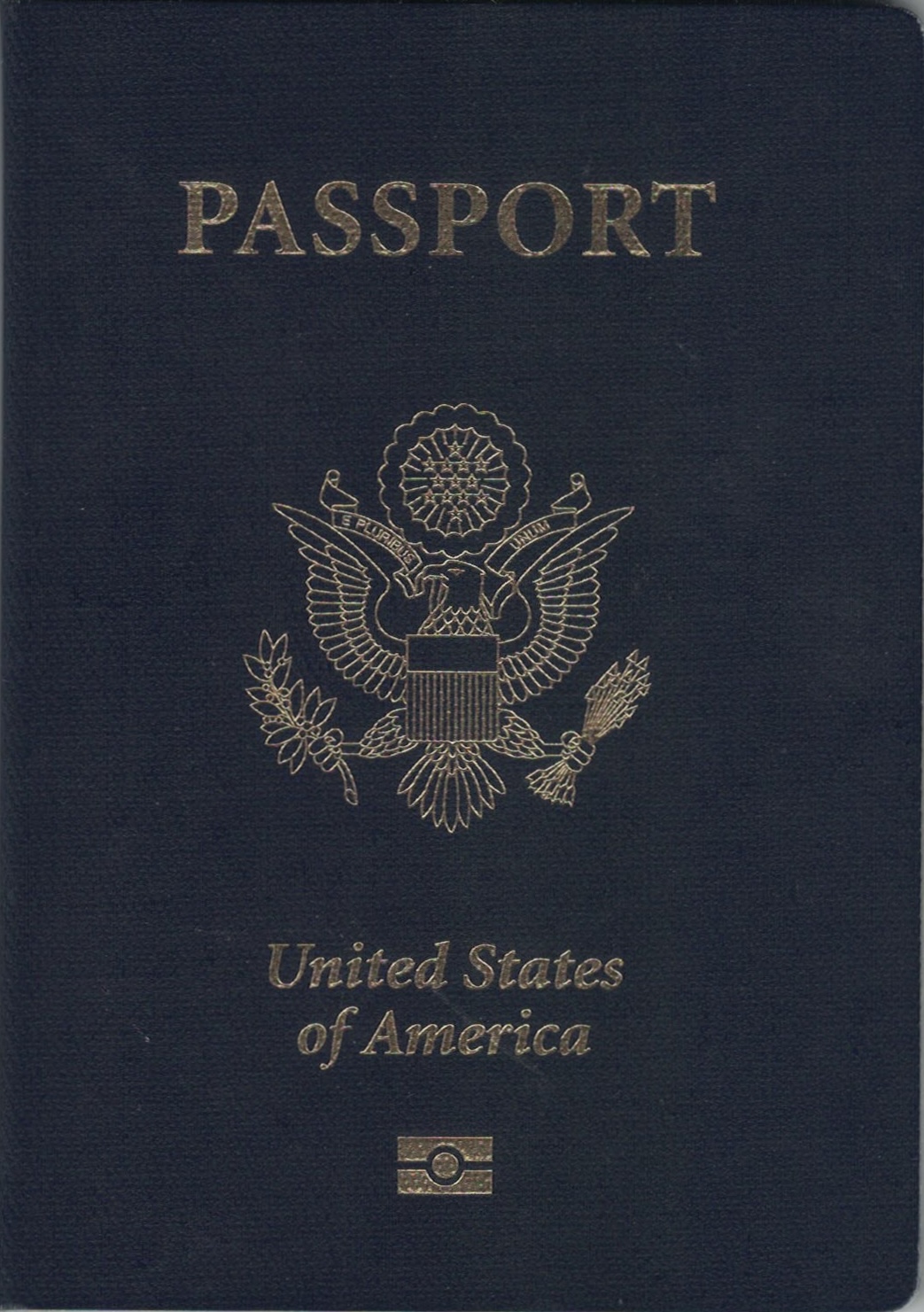
1. Critical Travel Documents & Identification
Your travel documents are your lifeline abroad. Without them, your journey ends before it begins at airport immigration.
- The 6-Month Passport Rule: Most destination countries strictly mandate that your passport remains valid for at least 6 months beyond your planned departure date. Furthermore, verify you have at least 2 to 4 consecutive blank pages for entry/exit stamps and visas.
- Visas & Electronic Travel Authorizations: Research visa policies months ahead. Many popular destinations require electronic authorisations (e.g., ESTA for the US, ETA for the UK/Australia, or pre-arrival digital declarations such as Singapore SG Arrival Card and Japan Visit Japan Web).
- Triple Redundancy for Copies: Keep high-resolution scanned copies of your passport data page, visa, travel insurance policy, and flight itinerary in an encrypted cloud drive (e.g., Google Drive or iCloud). Additionally, keep one offline digital copy stored locally on your smartphone and carry one physical paper photocopy tucked away in a separate compartment of your luggage.
- Driver’s License & IDP: If you intend to rent a car or motor scooter abroad, acquire an International Driving Permit (IDP) from your national automobile association beforehand, as a standard domestic driver’s license is often legally insufficient.
2. Health, Prescriptions & Travel Pharmacy
Falling ill in an unfamiliar country with language barriers and complex healthcare systems can be distressing and financially ruinous without prior preparation.
- Comprehensive Travel Medical Insurance: Domestic health insurance plans rarely cover international emergency medical care or medical evacuation. Always secure a dedicated travel insurance policy that covers emergency hospitalization, medical repatriation, trip cancellation, and baggage loss.
- Prescription Medication Rules: Pack sufficient medication to last the entire trip plus an extra 5 to 7 days for unexpected travel delays. Always keep prescription drugs in their original labelled containers, accompanied by a signed doctor’s note explaining your medical condition. Crucially, verify whether your medications (e.g., ADHD treatments, strong painkillers, or sleeping pills) are restricted or illegal in your destination country.
- Curated Travel First-Aid Kit: Carry a compact kit containing oral rehydration salts, antidiarrheal tablets (e.g., Loperamide), broad-spectrum pain and fever reducers (Paracetamol/Ibuprofen), motion sickness medication, antihistamines for unexpected allergies, antiseptic wipes, and hydrocolloid blister bandages for long walking days.
- Vaccinations & Prophylaxis: Check national health travel advisories (such as CDC or WHO) for destination-specific vaccination requirements (e.g., Yellow Fever certificate, Typhoid, Hepatitis A/B, or prophylactic anti-malarial medication).
3. Financial Readiness & Multi-Tier Payment Strategy
Having your card declined or swallowed by an ATM abroad can quickly leave you stranded. A multi-layered financial strategy ensures smooth transactions anywhere in the world.
- Multi-Currency & Zero-FX Cards: Utilize multi-currency debit accounts (like Wise or Revolut) or premium travel credit cards with zero foreign transaction fees to avoid exorbitant bank exchange markups (typically 3% or more per transaction).
- Card Redundancy & Issuer Diversity: Carry at least two credit/debit cards from different payment networks (one Visa and one Mastercard) issued by different banking institutions. Store them in separate bags so losing a wallet does not wipe out your access to funds.
- Bank Travel Notifications: Enable international transaction permissions in your mobile banking app before departure to prevent automatic anti-fraud freezes when making overseas purchases.
- Emergency Cash Stash: While cashless payments are common globally, street markets, rural transport, tips, and small vendors often remain cash-only. Withdraw a small amount of local currency upon arrival or exchange a modest buffer of cash (USD or EUR are universally accepted for exchange) before you fly.
.jpg "Airport Departure & Modern Travel (CC0 - Wikimedia Commons)")
4. Connectivity, Power & Digital Infrastructure
Modern travel relies heavily on digital navigation, ride-hailing, translation, and communication. Keeping your devices charged and connected is a primary safety requirement.
- eSIM or Local SIM Card: Pre-install a travel eSIM (via providers like Airalo, Nomad, or Holafly) before stepping onto the plane so your phone connects to local 4G/5G networks immediately upon landing, bypassing expensive roaming bills.
- Universal Travel Adapter with GaN Fast Charging: Electrical wall plug types and voltages vary widely worldwide (e.g., Type A/B in the Americas, Type C/E/F in Europe, Type G in the UK and Singapore). Invest in an all-in-one universal adapter equipped with USB-C Power Delivery (PD) to charge multiple devices from a single outlet.
- Airline-Compliant Power Bank: Bring a reliable power bank (10,000mAh to 20,000mAh) to keep your phone alive during full days of navigation and sightseeing. Crucial regulation: power banks containing lithium batteries MUST be packed in your carry-on luggage and never in checked baggage, with capacity strictly under 100Wh (27,000mAh) to clear airport security.
- Offline Navigation & Translation: Download offline regional maps on Google Maps or Maps.me, and download offline language dictionaries on Google Translate or Apple Translate so you can navigate and communicate even in dead zones.
5. Smart Packing Discipline & Carry-On Survival Kit
The cardinal rule of packing is simple: pack half the clothes you think you need, and twice the money. Smart packing reduces physical fatigue and eliminates luggage headaches.
- The 24-Hour Carry-On Survival Pack: Airlines occasionally misplace or delay checked luggage. Always pack one fresh change of clothes, essential underwear, prescription medications, valuable electronics, basic toiletries, and critical documents in your personal cabin bag.
- Liquid Carry-on Rules (3-1-1): Ensure all cabin liquids, aerosols, gels, and creams are in containers of 100ml (3.4 oz) or less, enclosed within a single transparent, resealable quart-sized bag.
- Compression Packing Cubes: Utilize compression packing cubes to organize clothing by category or day, dramatically compressing volume and keeping your suitcase neat without rummaging.
- Comfortable, Broken-In Footwear: International trips involve walking thousands of steps every day across cobblestones, train stations, and uneven trails. Never break in new, untested shoes on an overseas trip; always bring durable, supportive, and breathable footwear.
6. Personal Safety, Legal Awareness & Local Etiquette
Respecting the rules of your host country and maintaining situational awareness protects you from legal trouble and petty crime.
- Embassy & Ministry Registration: Enroll in your country’s overseas traveler advisory program (such as the US Smart Traveler Enrollment Program - STEP) so your embassy can locate and assist you in the event of natural disasters or civil unrest.
- Local Customs & Taboos: Familiarize yourself with local cultural norms beforehand, such as dress codes for sacred temples or religious shrines, tipping customs, photography restrictions around government facilities, and rules on alcohol consumption.
- Anti-Theft Precautions: In bustling tourist hubs and public transit stations, wear a secure crossbody bag with lockable zippers or an RFID-blocking neck pouch. Avoid flashing large amounts of cash, luxury watches, or high-end cameras in vulnerable areas.
Copyright declaration
This post was written by Gemini.